P. aeruginosa are bacteria known for causing hospital-acquired infections and for their rapid development of multidrug-resistance, making severe infections harder to treat with conventional antibiotics. Because of this, it is important to find alternative methods to fight infections. P. aeruginosa are ruthless. They not only possess an arsenal of tools to infect humans, but they also employ strategies to kill other bacteria, even their own kind. One of these antagonistic tools are pyocins: molecular spring-loaded tailocins produced by P. aeruginosa to kill other P. aeruginosa strains. Pyocins are studied as potential therapeutic tools for severe P. aeruginosa infections due to their specificity and brute-force tactics to kill bacteria.
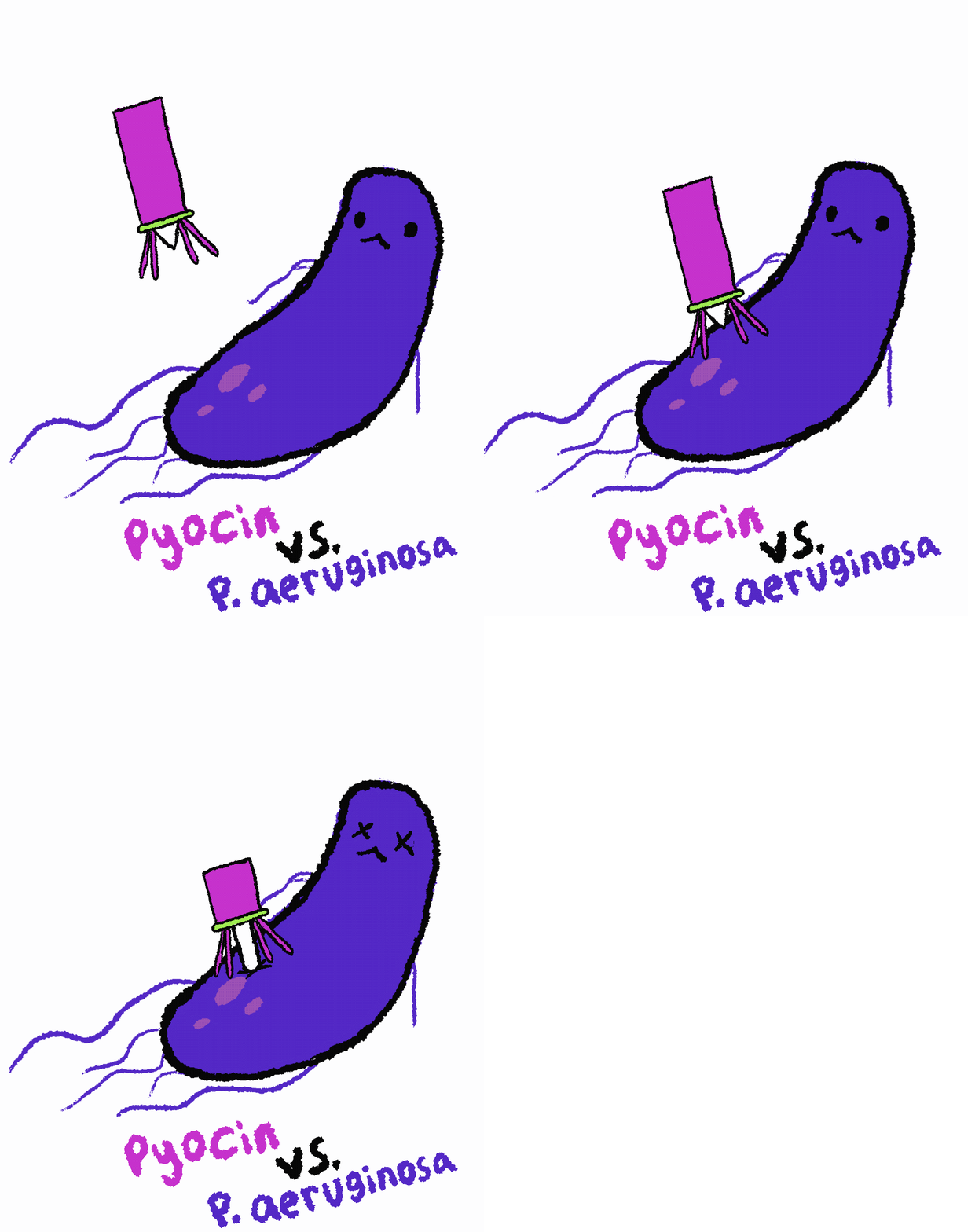
Pyocins kill by stabbing through the cell membrane using their spike
The molecular production pathway of pyocins is triggered by irreparable DNA damage. When this occurs, a protein called RecA is produced and autocleaves a repressor protein called PrtR. Derepression of PrtR frees the pyocin gene activator protein PrtN, resulting in self-lysis of the bacteria and pyocin release.
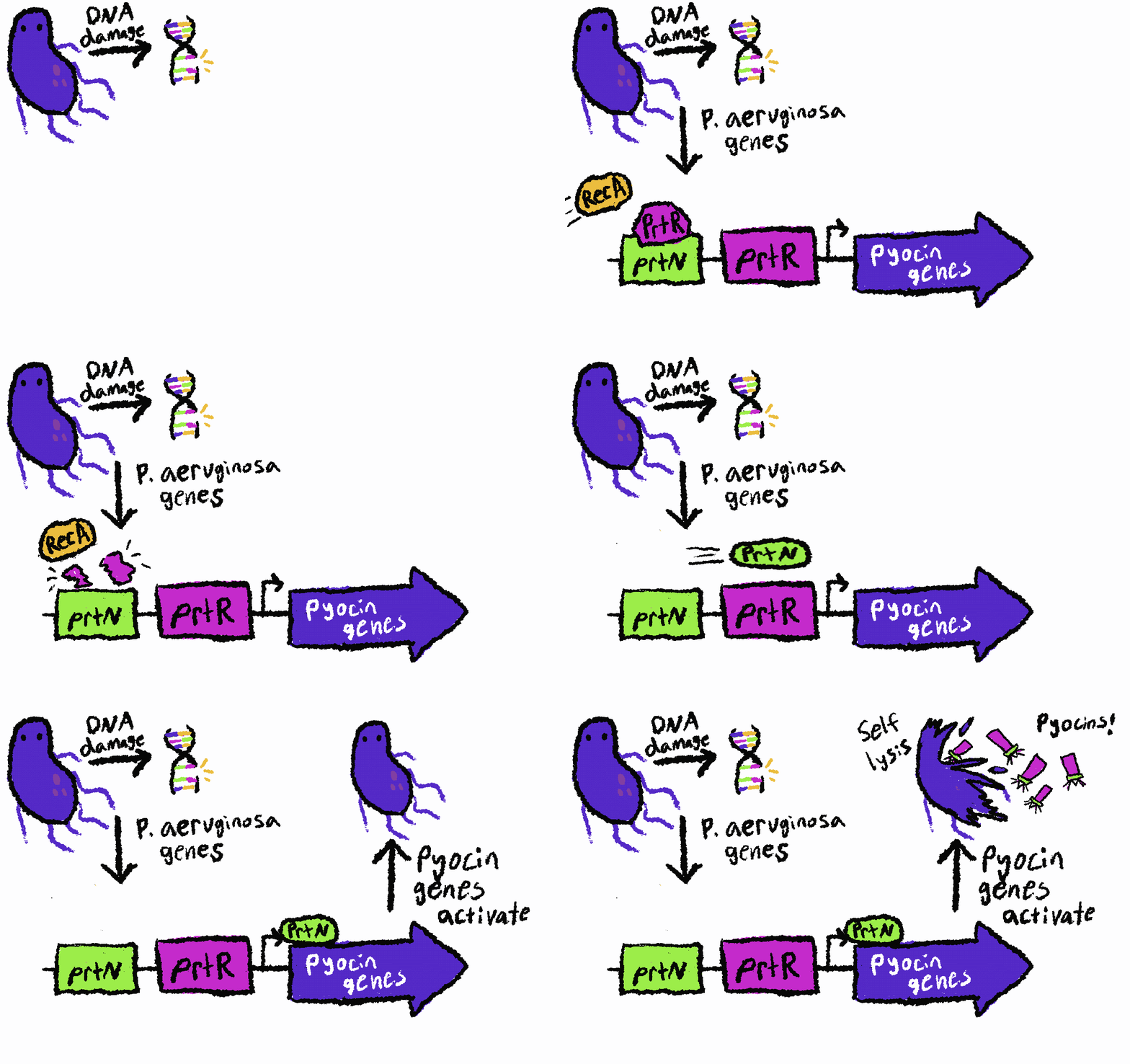
Pyocin Production Pathway
My work in the lab uncovered a putative protein we believe to be essential for pyocin production along with PrtN. Literature analysis and homology searches lead me to believe this protein acts as an antiterminator in the pyocin gene cluster. The lab is currently investigating the regulatory role for the protein.